PHOENIX trial reaches major milestone with over 2,000 patients recruited
A groundbreaking research study exploring how genetics can help personalise medicines has reached a significant milestone, with more than 2,000 patients now taking part.
The PHOENIX trial, led by NHS Greater Glasgow and Clyde and the University of Glasgow, is examining how a simple genetic test can help doctors choose the safest and most effective medicines for patients, reducing side effects and improving outcomes.
Patient Matthew McKinnon, 88, agreed to participate in the trial after being admitted to the Queen Elizabeth University Hospital (QEUH) when he suffered a stroke.
Matthew, from Deaconsbank, Glasgow, underwent a simple test to allow clinicians to better understand how his body responds to medication.
It resulted in his medicine being changed, in the hope of preventing future strokes and blood clotting.
He said: “I filled in a consent form, and I provided a cheek swab that was used to test my DNA and my genes, and this information was then used to try and match my medicine to me.
“Within quite a short time they said they were changing my medicine where my statin was changed to another medication with lower risk side effects.
“They said people react differently to medicines because of the way your body breaks it down. So they said they were matching my medicine to my genes so that it can have the maximum effect. It sounded quite exciting to me.”
Beyond the clinical benefits, Matthew said taking part in the trial gave him confidence in his treatment.
He said: “I thought it was amazing - I was astounded with the progress of what they can do now.
“Sometimes you take medicine and wonder if it’s doing you any good, but now I’ve got some assurance that this is the medicine for my own genes, so you can’t really beat that.”
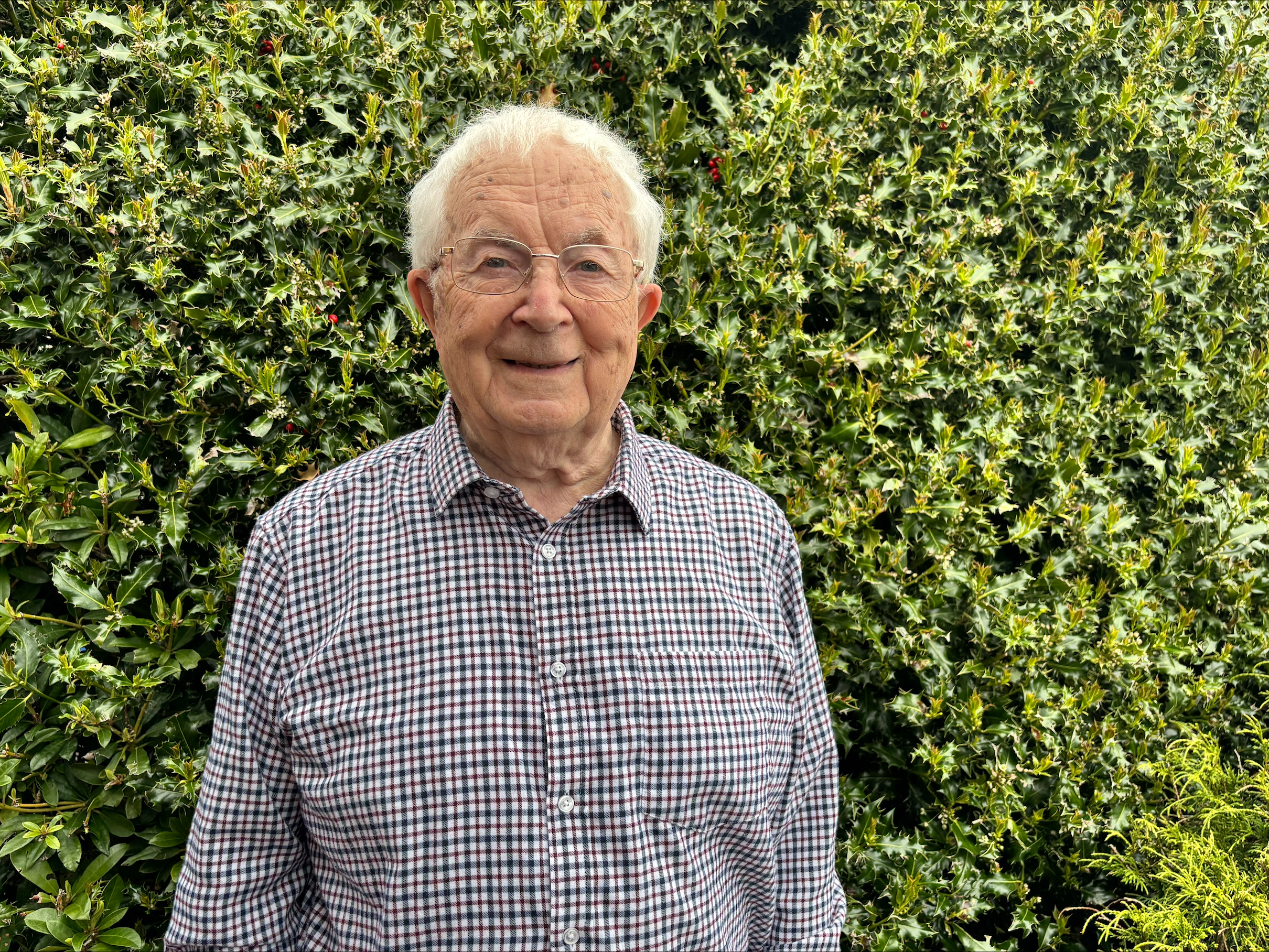
Matthew praised the care he received at the QEUH and has worked hard on his recovery with support from NHS staff.
He added: “I was so well looked after in the QEUH. I was very pleased with the care I received.
“When I had the stroke I couldn’t really move my left arm much at all. But I’ve been doing exercises every day that the physios supported me with for a few months after I got out of hospital, and now I can lift it above my head and swing it around.
“I also make sure to walk at least 2,000 steps a day to keep myself mobile.”
The PHOENIX trial is being carried out in partnership with the University of Glasgow’s Living Laboratory, the NHSGGC‑hosted West of Scotland Innovation Hub, and industry partners MyDNA and Agena Bioscience.
Participants are being recruited from across services in NHS Greater Glasgow and Clyde and in NHS Golden Jubilee.
The trial is open to adult in-patients of all ages (>18 years) in the QEUH who are being treated in a range of different specialties including cardiology, stroke, orthopaedics and gynaecology.
Researchers say stories like Matthew’s highlight the potential of personalised medicine to transform patient care.
Professor Sandosh Padmanabhan, a Consultant at the QEUH and Pontecorvo Chair of Pharmacogenomics at the University of Glasgow, is the study’s Chief Investigator.
He said: “This milestone of more than 2,000 participants is a significant achievement and reflects the willingness of patients to help shape the future of healthcare.
“PHOENIX is showing how we can move away from a ‘one-size-fits-all’ approach and instead use genetic information to guide treatment decisions, helping to make medicines safer and more effective for each individual patient.”
Consultant Dr Stefanie Lip, a Clinical Senior Lecturer in Pharmacogenomics, added: “Many people respond differently to the same medicines, and that can affect how well treatments work or whether side effects occur.
“By using pharmacogenomic testing in routine care, studies like PHOENIX are helping us better understand these differences and bring more personalised prescribing into everyday practice across the NHS.”
As recruitment continues, the trial is expected to provide further evidence on how pharmacogenomics can be integrated into routine care, with the aim of improving outcomes for patients across Scotland and beyond.