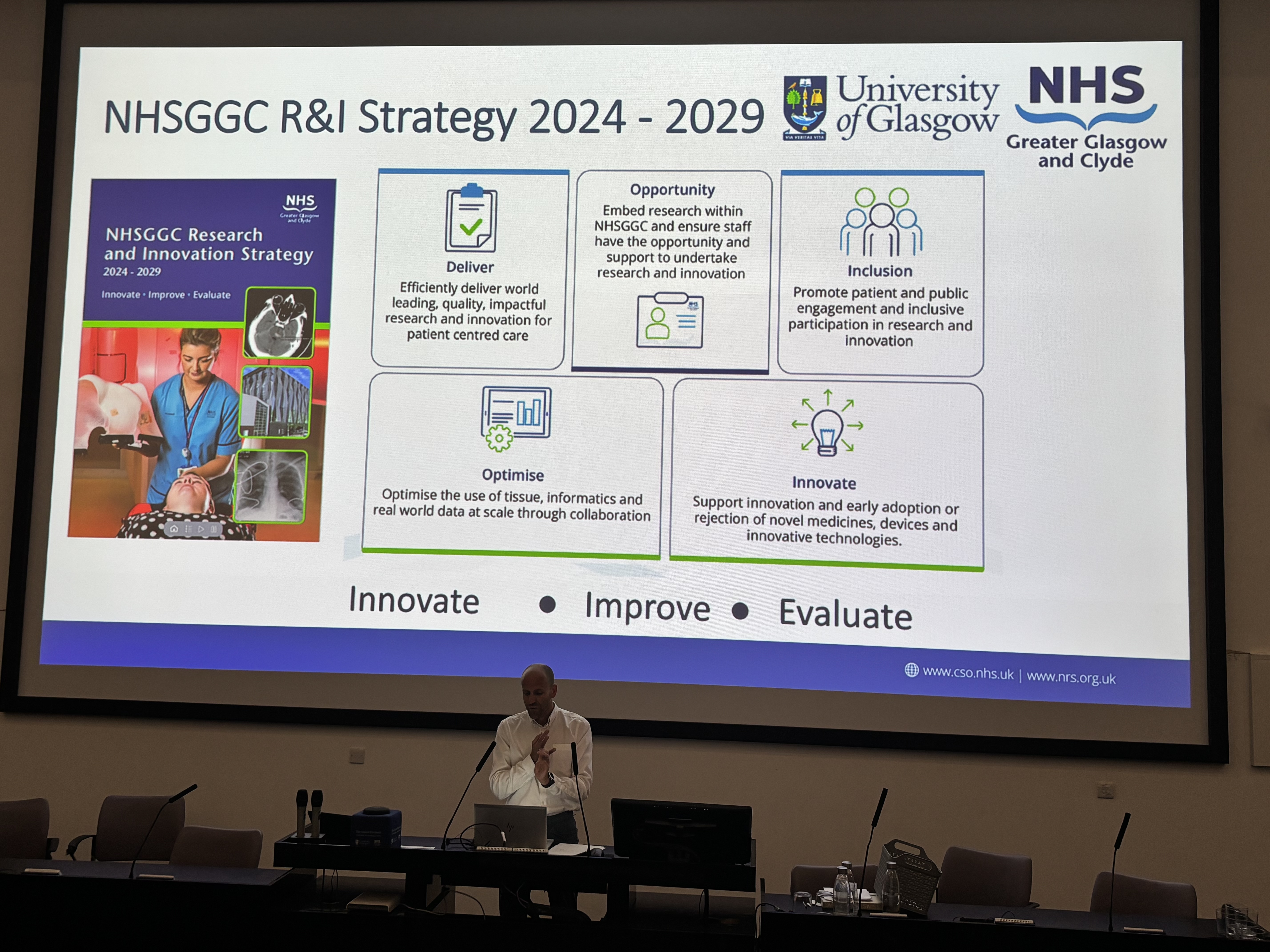
Conference highlights real‑world impact of research and innovation across NHSGGC
Leaders in healthcare, research and innovation came together at the Queen Elizabeth University Hospital campus to showcase how collaboration is shaping the future of health and care across NHS Greater Glasgow and Clyde (NHSGGC).
The organisation’s first Research and Innovation Conference brought together clinicians, academics and partners to highlight the real‑world impact of research, explore new ideas and strengthen collaboration across the system.
Delegates heard from senior leaders including Scotland’s Chief Scientist Professor Dame Anna Dominiczak, NHSGGC Chair Dr Lesley Thomson KC, Medical Director Dr Scott Davidson and Director of Research and Innovation Professor Jesse Dawson, alongside a range of expert speakers from across the health and academic sectors.
Opening the event, Dr Thomson KC welcomed attendees and emphasised the importance of research and innovation in improving patient care and outcomes.
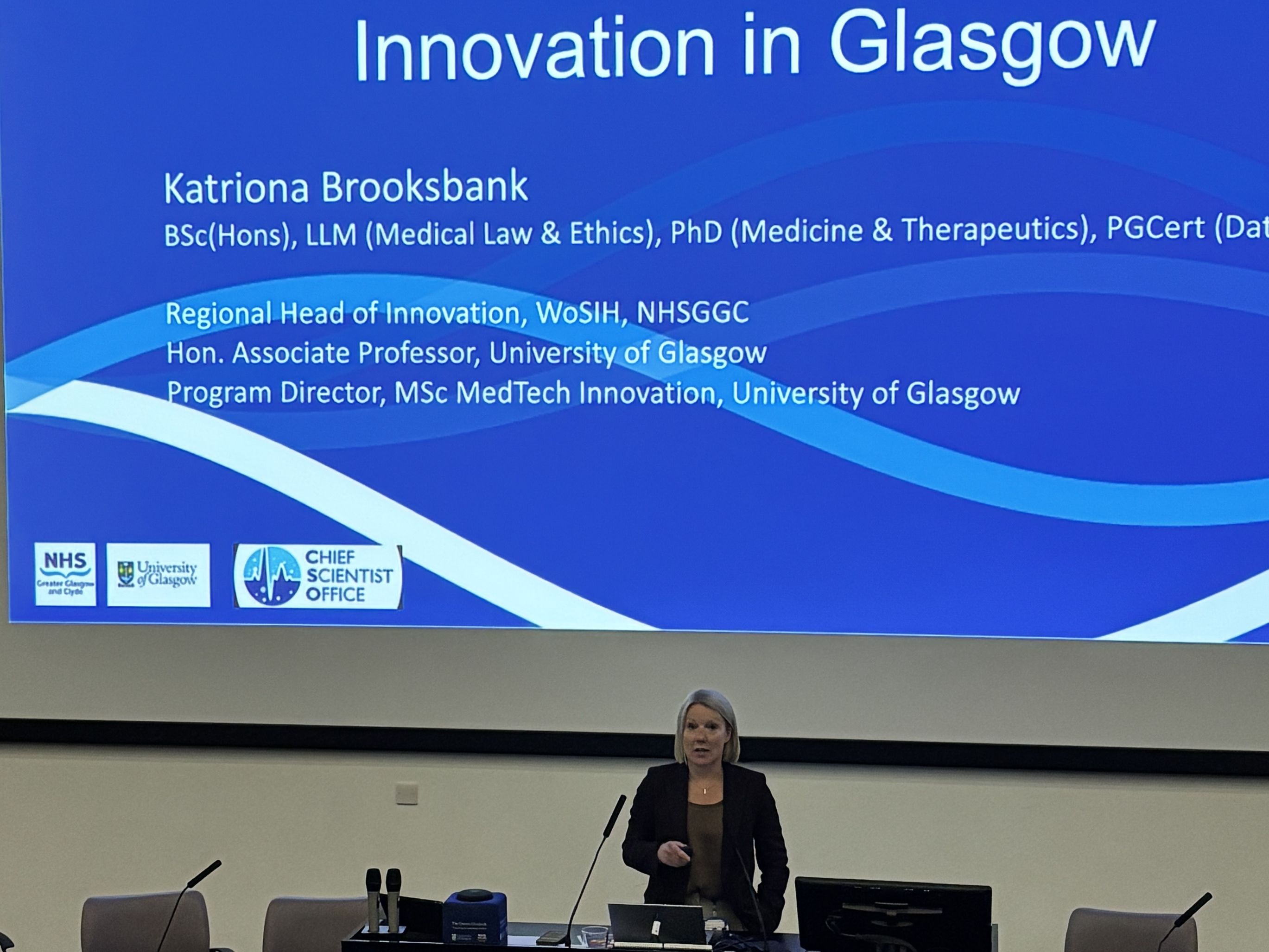
The morning session focused on shaping the future of research, with contributions exploring Scotland’s wider research landscape and the role innovation plays within NHSGGC.
Dr Davidson highlighted how research and innovation are central to delivering high-quality, sustainable healthcare, while sessions led by Senior Research and Innovation Manager Chloe Cowan and colleagues from the University of Glasgow demonstrated how strong partnerships are helping to drive forward new discoveries and opportunities for clinicians and researchers.
Attendees also heard about cutting-edge work in early phase clinical research, including the development of advanced therapies, providing a glimpse into how new treatments are being brought from laboratory to bedside.
The conference, which was arranged by Naomi Hickey, Education and Quality Lead for the Glasgow Clinical Research Facility, then turned to innovation in action, with sessions showcasing how ideas are translated into tangible improvements for patients.
Dr Katriona Brooksbank, who leads the West of Scotland Innovation Hub, outlined the breadth of innovation activity taking place across NHSGGC, highlighting how staff are supported to develop and implement new approaches that deliver real benefits in clinical settings.
Speakers also explored the role of secure data in enabling research, with sessions demonstrating how platforms such as Safe Haven and Trusted Research Environments allow researchers to access and use health data safely and responsibly.
Case studies from clinicians across NHSGGC brought these themes to life, showing how innovation is already improving care in areas including respiratory medicine, cardiology and critical care.
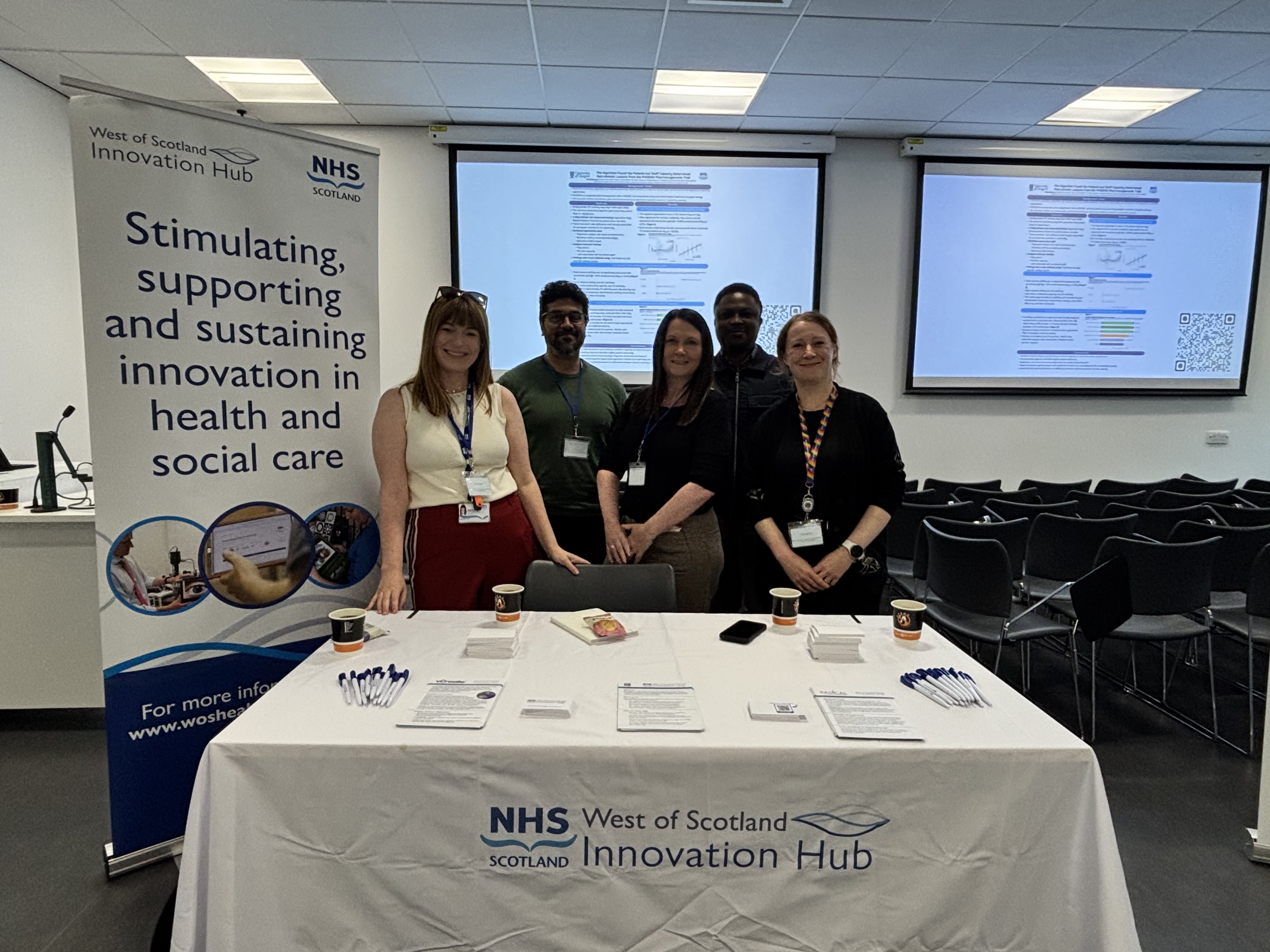
Throughout the day, delegates took part in interactive workshops and specialty-focused sessions covering areas such as cancer, mental health, paediatrics and emergency medicine, encouraging discussion and shared learning between teams.
Prof Dawson closed the conference by outlining future opportunities for research and innovation within NHSGGC and encouraging continued collaboration across organisations and disciplines.
He said: “Research and innovation are critical to improving outcomes for our patients and shaping the future of healthcare.
“This conference highlights the strength of collaboration across NHSGGC and our partners, and the real impact that research is having across our services.
“By working together, we can continue to develop new approaches, support our staff and ensure that patients benefit from the very latest advances in care.”
The event concluded with prize presentations recognising the high standard of research being carried out across NHSGGC, with awards for poster presentations celebrating innovative projects and emerging talent.
The conference reinforced NHSGGC’s commitment to embedding research and innovation across all areas of care, ensuring that patients benefit from new treatments, technologies and ways of working.