Innovation Hub showcases healthcare breakthroughs during Glasgow Tech Week
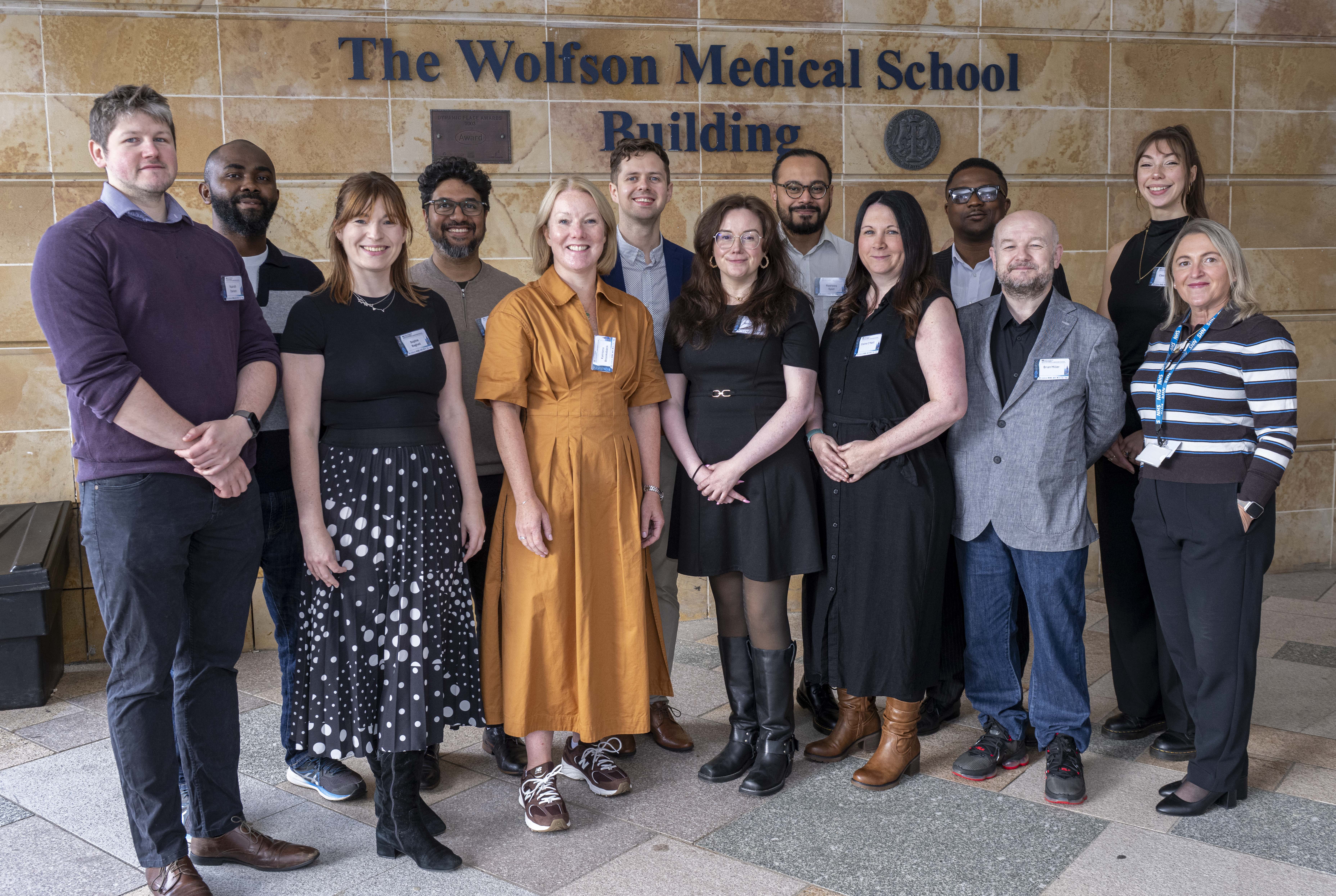
Clinicians, researchers, industry leaders, innovators and digital colleagues gathered at the University of Glasgow this week to explore how collaboration is helping turn cutting-edge ideas into real-world improvements for patients across Scotland.
The West of Scotland Innovation Hub's (WoSIH) Translation for Impact: MedTech, Data and Innovation event formed part of Glasgow Tech Week and demonstrated how partnerships between the NHS, academia and industry are accelerating the development, evaluation and adoption of new healthcare technologies.
The event brought together experts from across healthcare, research, government and industry to showcase successful innovation projects and provide practical routes for future collaboration.
Throughout the day, attendees heard from NHS Greater Glasgow and Clyde clinicians who have worked alongside the Innovation Hub to develop and evaluate new technologies designed to improve patient care, clinical outcomes and the experience of healthcare staff.
Among the innovations highlighted was the use of ECG patch technology, presented by Cardiologist Dr Faheem Ahmad, which is helping to transform how patients undergo heart rhythm monitoring.
The "Patch and Go" approach allows patients to leave hospital sooner and be monitored remotely at home, significantly reducing the time people wait for ECG investigations while helping to avoid lengthy hospital stays.
Delegates also heard from Dr John MacLay about the SWIFT Lung programme, which is exploring how artificial intelligence can support the detection of lung cancer through chest X-rays, helping clinicians identify suspicious findings more quickly and improving opportunities for earlier diagnosis.
The growing role of AI-powered Ambient Voice Technologies in healthcare was another key theme, with a presentation from Dr Qasim Mohammad Latif. The technology has the potential to reduce administrative burdens by automatically generating clinical notes from consultations, allowing healthcare professionals to spend more time focused on patient care.
The event also welcomed innovation partners including Harrison.ai, whose Chief Clinical Officer Mark Phillips delivered an address exploring how artificial intelligence is already being used to support clinical decision-making and improve healthcare delivery.

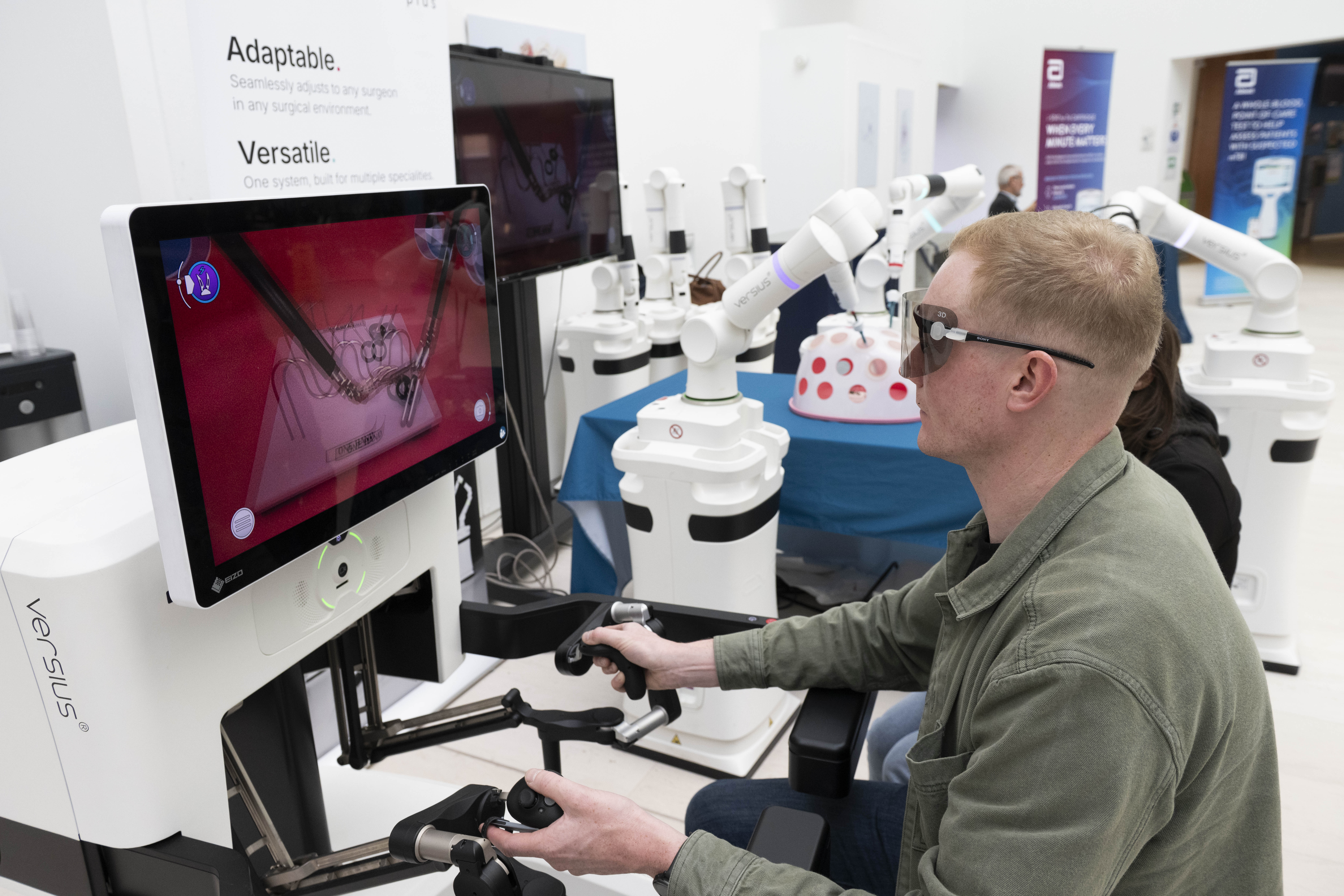
Alongside the clinical showcase, attendees heard from representatives from the Scottish Government, Scottish Development International, CivTech and the Accelerated National Innovation Adoption programme, while interactive tech demonstrations and networking sessions provided opportunities to connect researchers, clinicians and industry partners.
Dr Katriona Brooksbank, Regional Head of Innovation for the West of Scotland Innovation Hub, which is hosted by NHS Greater Glasgow and Clyde, said: “It was fantastic to bring together so many of our clinical, digital, commercial, academic and government colleagues as part of Glasgow Tech Week and showcase the strength of our innovation ecosystem.
“Healthcare innovation can be complex, involving many different organisations, skills and areas of expertise. Events like this help demonstrate what's possible when those partners come together and, importantly, provide practical advice and connections for anyone looking to develop the next generation of healthcare solutions.
“Many people are familiar with one part of the innovation landscape, but what the event really highlighted was the depth and breadth of expertise available across our region. From medical devices and data-driven technologies to artificial intelligence and digital health, we are creating opportunities to turn promising ideas into innovations that can benefit patients, support our workforce and strengthen the NHS for the future."
The West of Scotland Innovation Hub supports healthcare innovation across six NHS Boards and works with clinicians, academics, industry partners and health and social care organisations to develop, evaluate and adopt technologies that improve care and service delivery.
The Hub plays a key role in translating research and innovation into practical benefits for patients and healthcare services.